Are Silicone Dog Bowls Safe? LFGB vs. FDA Standards Explained
By Isaiah Fernandez · Published August 16, 2026 · 5 Min Read
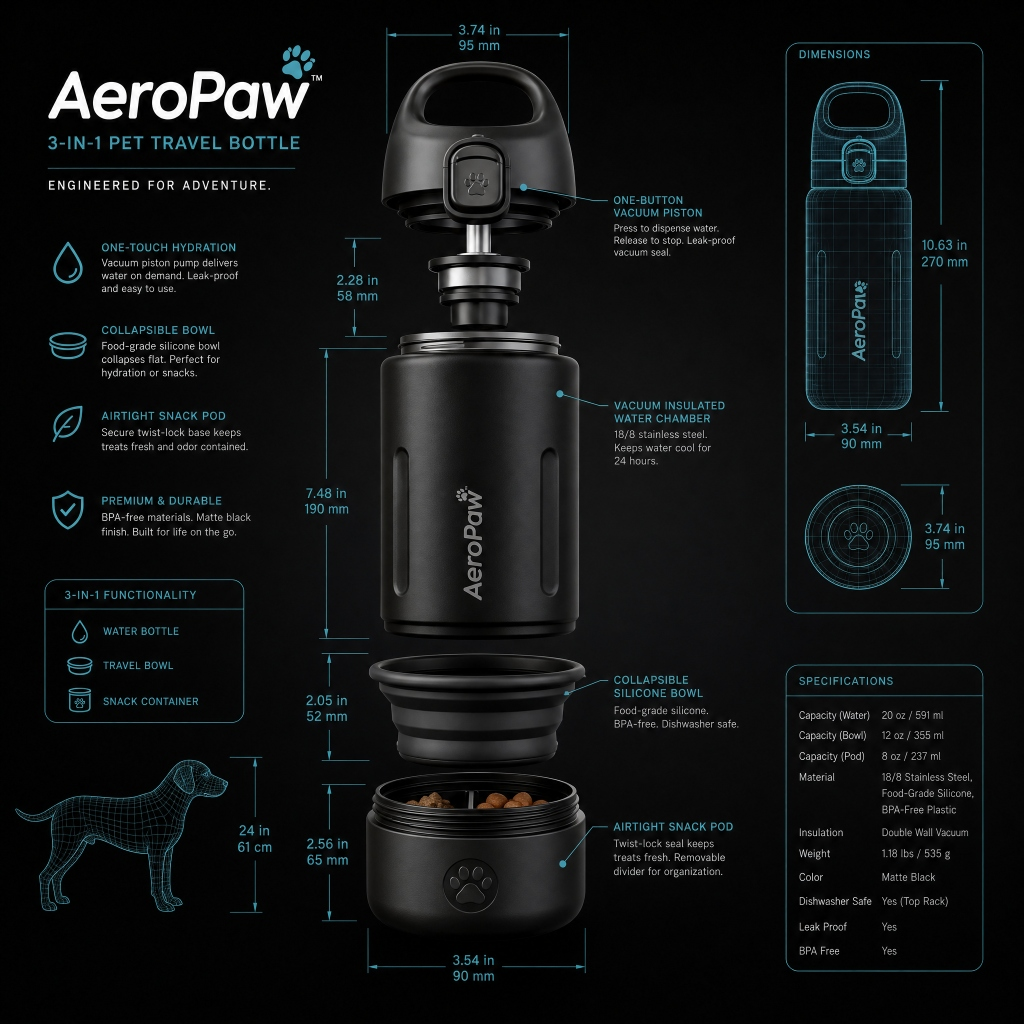
Collapsible silicone bowls have become a staple for traveling pet owners. But with growing concerns regarding microplastics, chemical leaching, and cheap fillers in pet accessories, many dog parents ask: Are silicone dog bowls actually safe for daily canine use?
The Short Answer: Yes, If It Is Food-Grade or LFGB-Certified
Pure food-grade silicone is one of the safest materials available for pet dining. Unlike petroleum-derived plastics (polyethylene, PVC, or polystyrene), silicone is derived from silica (natural quartz sand). It is inherently hypoallergenic, chemically inert, and non-porous.
FDA vs. German LFGB: The Two Silicone Standards
- FDA Standard (US): Meets basic safety tests ensuring the material will not transfer toxic substances under normal contact conditions. However, it permits up to 0.5% volatile organic compounds.
- LFGB Standard (Germany & EU): The gold standard in food-contact safety. LFGB testing requires strict migration testing and zero volatile compounds. It is significantly more expensive to manufacture but ensures 100% purity with zero chemical leaching, even when exposed to boiling water or hot car temperatures.
The "Pinch Test" for Pet Parents
To test if your dog's collapsible bowl is pure silicone or diluted with cheap plastic mineral fillers: pinch and twist a flat portion of the silicone. If the crease turns white, the silicone contains plastic fillers. If the color remains consistent, it is 100% pure silicone.
AeroPaw Uses 100% LFGB Platinum Silicone
Certified BPA-free, lead-free, and top-rack dishwasher safe.
⚡ Shop Official AeroPaw 3-in-1 ($24.99) →